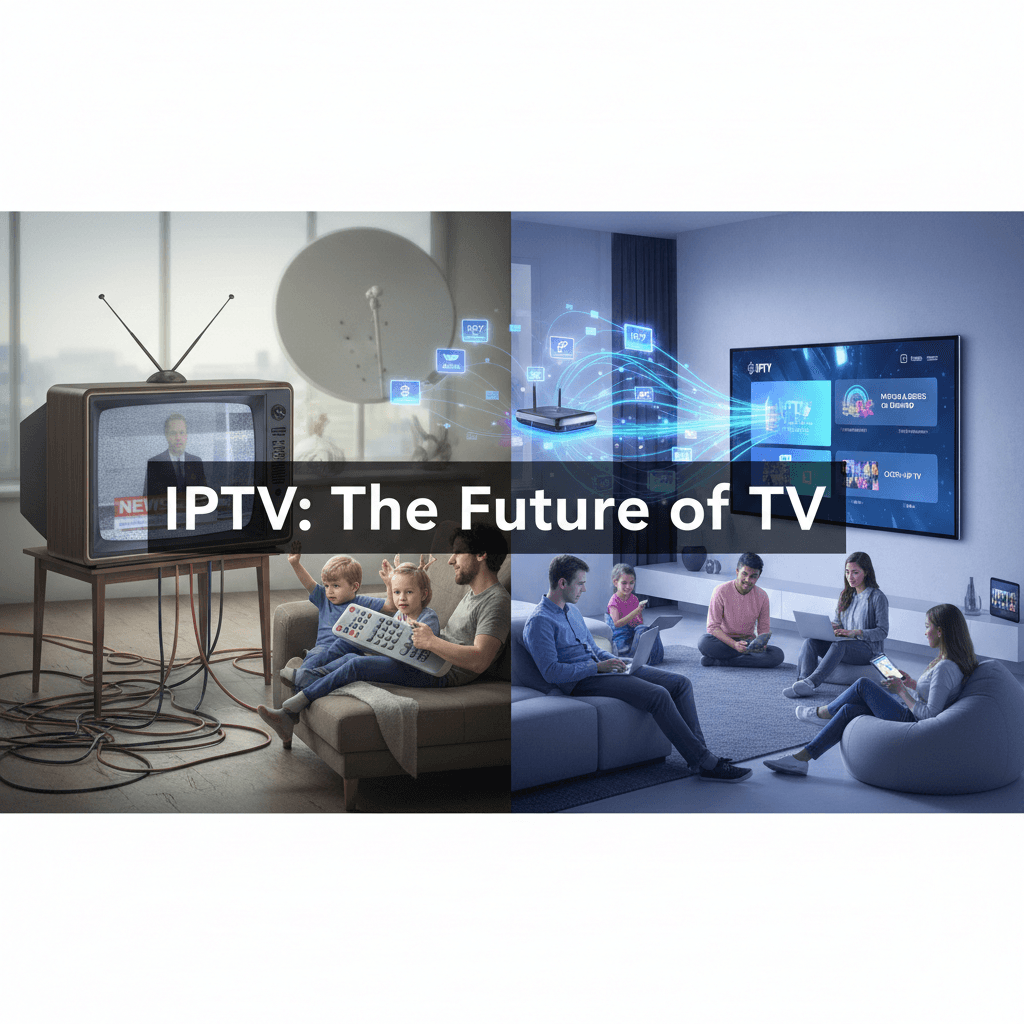
Television consumption has evolved significantly over the past decade. Instead of relying solely on traditional cable or satellite services, many viewers now use the internet to access television content. This shift has been driven by new streaming technologies that offer greater flexibility and convenience.
One of the most widely used technologies in this space is Internet Protocol Television, commonly known as IPTV. It enables television programs to be delivered through internet-based networks rather than conventional broadcast systems.
This article explains how IPTV technology works and how it is commonly used by viewers across the United States.
Understanding Internet Protocol Television
Internet Protocol Television is a method of delivering television content through IP-based networks instead of traditional cable, satellite, or terrestrial broadcasting signals.
With this technology, media such as live television channels, movies, and series is transmitted over a stable, high-speed internet connection. The content is broken into data packets and delivered to compatible devices, including smart TVs, streaming boxes, computers, and mobile devices.
Compared to traditional broadcast television, this system offers greater flexibility. Viewers can watch live programming, access video on demand, or use features such as catch-up TV depending on the platform and service being used.
How IPTV Technology Works
This streaming method delivers television content through internet connections rather than physical broadcast infrastructure. Instead of receiving signals via satellite dishes or cable lines, users access television streams through broadband or high-speed internet services.
When a viewer selects a live television channel or on-demand program, the content is sent from a server in small data packets across a managed network or the public internet. These packets are decoded and displayed on the user’s device almost instantly.
Most platforms rely on dedicated applications or a set-top box to manage content delivery. These tools connect to the streaming system, process the incoming data, and ensure smooth playback across various devices. This approach allows live television, recorded programs, and on-demand content to coexist within a single streaming environment.
Different Types of IPTV Services
Streaming television services based on IP technology are typically divided into several categories, depending on how content is delivered and accessed.
Live IPTV delivers television channels in real time over an IP network, similar to traditional broadcasting. However, instead of using cable or terrestrial satellite signals, the content is transmitted through an internet connection, allowing greater flexibility in where and how it is viewed.
Another common format is video on demand (VOD). This option allows users to select and watch movies or series whenever they choose, without following a fixed broadcast schedule. Videos on demand give viewers full control over their viewing experience.
Time-shifted television, often referred to as catch-up TV, enables viewers to watch previously aired programs for a limited period after their original broadcast. This option combines the structure of live programming with the convenience of on-demand access.
Together, these services create a flexible and modern viewing experience that adapts to different habits and preferences.
IPTV Compared to Cable and Satellite Television
The main difference between internet-based television systems and traditional cable or satellite TV lies in content delivery. Cable and satellite services rely on physical infrastructure such as cables, dishes, or terrestrial satellite signals to broadcast television channels.
Internet-based television systems use an IP network to transmit video and audio content through an internet connection. Rather than broadcasting all channels continuously, only the selected channel is delivered to the viewer, improving efficiency and reducing unnecessary data usage.
Flexibility is another key distinction. Traditional cable packages often come with fixed channel lineups, while modern streaming platforms allow access to live streams, recorded content, and on-demand programs from a single interface. These services also support streaming across multiple devices, making them more suitable for modern lifestyles.
In terms of quality, both options can deliver high-quality viewing experiences. However, internet-based television depends heavily on reliable high-speed internet, whereas cable and satellite services are less affected by bandwidth but may require additional hardware and long-term commitments.
Final Thoughts
Modern streaming systems built on IP technology offer an efficient way to deliver television content using a stable internet connection. By combining live television channels, videos on demand, and recorded programming, these platforms provide high-quality video and audio across a wide range of devices.
Understanding how this technology works helps viewers make informed decisions when exploring modern television and streaming options in the United States.